
The traditional ecommerce playbook relied heavily on a predictable, straight-line customer journey. Brands assumed a user would see a product photo on social media, click the “link in bio,” land on a product page, and immediately complete a purchase.
That linear funnel does not exist anymore.
Modern consumers operate within a highly fragmented, non-linear customer journey. They bounce seamlessly between search engines, social platforms, review sites, and video networks before ever adding an item to their cart.
Relying solely on isolated posts and transactional product pages leaves massive gaps in your digital presence, allowing competitors to capture your audience during their research and consideration phases.
To survive and scale, ecommerce brands must engineer connected touchpoints: instead of treating a blog post, a TikTok video, and a category page as separate entities, they must function as a cohesive web of information.
Let’s dive deep into how you can bridge these digital gaps by building a unified content ecosystem that aligns SEO, social storytelling, and high-intent landing pages to capture and convert modern shoppers at every stage of their journey.
Content ecosystem and the 7 C’s of ecommerce
An ecommerce content ecosystem is a structured, interconnected network of digital assets designed to attract, educate, convert, and retain customers. Unlike a static website, an ecosystem is dynamic, relying on content operations and content governance ecommerce to ensure that every blog post, product description, and video serves a specific strategic purpose.
The ultimate promise of building this ecosystem is becoming the definitive solution your customer finds before they even realize they are ready to buy. By addressing their pain points early through cross-channel storytelling and robust SEO for content ecosystems, you establish unshakeable trust.
To build and sustain this environment, brands need to consider and master the 7 C’s of ecommerce content:
- Customers: are the foundational layer of the ecosystem. Every piece of content must be reverse-engineered from the specific psychology, pain points, and search intent of the target audience. Without a deep understanding of customer journey mapping, content becomes self-serving and fails to resonate.
- Content: represents the actual asset mixes you produce. This includes everything from long-form educational articles and buying guides to short-form videos and interactive quizzes. The content must be high-utility, original, and structured around comprehensive topic clusters to build topical authority.
- Context: dictates how and when the content is delivered. A user browsing a mobile device late at night has different needs than a user comparing technical specs on a desktop during the workday. Delivering the right message at the right time requires an understanding of personalization at scale.
- Channels: are the distribution networks where your content lives. Effective content distribution ecommerce requires adapting the core message to fit the native format of organic search, email newsletters, social media platforms, and third-party marketplaces, ensuring cross-channel and multimodal content consistency.
- Cohesion: ensures that no matter where a customer interacts with your brand, the experience feels unified. This requires strict content governance, a centralized digital asset management ecommerce (DAM) system, and a unified brand voice that prevents disjointed messaging across different departments.
- Conversion: is the ultimate mechanism that turns engagement into revenue. Within the ecosystem, conversion means micro-conversions, such as signing up for a newsletter, downloading a guide, or clicking through to a strategic category page.
- Culture: refers to the internal alignment of your marketing, sales, and customer service teams. A thriving content ecosystem requires a culture of collaboration, where data from customer interactions continuously feeds back into the content creation process, ensuring the brand remains agile and responsive to market shifts.
Writing for the journey: how to reach your ecommerce audience at every phase
Understanding consumer behavior is the first step toward building a strategy that converts. In e-commerce, this means mapping every interaction—from the moment a user identifies a latent pain point to post-delivery support. This approach provides professionals with greater clarity during content creation because, at every stage, you must deliver value by tailoring the format and messaging to the customer’s buying maturity.
Check out the steps to structure your content to reach the right audience, at the right time, in every phase of the journey:
Phase 1: discovery stage (ToFu)
The discovery stage is where you intercept potential customers who are experiencing what we call problem zero. At this stage, they are not looking for your product yet, they are looking for a solution to a symptom. If you sell ergonomic office chairs, the user is not searching for “buy ergonomic chair”. They are searching for “why does my lower back hurt after working?”. Your focus here must be entirely on being the most helpful, authoritative answer to their initial questions.
But, in the age of AI-driven zero-click searches, generic educational content is no longer enough. To stand out, your ToFu strategy must answer specific “pain-point” queries that AI Overviews might overlook, ensuring your brand is the first one the user remembers when they are ready to buy.
Let’s think abou the ergonomic office chairs again. Probably, your persona isn’t just looking for chair features, but for relief. Your goal is to provide immediate value for their symptoms:
- The ‘Cheap Chair’ Tax: Why $100 office chairs cost you $1,000 in physical therapy: a provocative, data-driven look at the long-term financial and physical cost of poor equipment. This positions your premium product as a smart investment, not an expense.
- We tested 50+ ‘Ergonomic’ setups: The 3 common mistakes even pros make: instead of a generic “how-to,” use a “we tested/experimented” approach. This shows real-world experience and provides unique insights that a standard AI can’t replicate.
- The Anti-Hustle Workspace: How we designed a chair for people who hate sitting all day: A brand-story approach that connects with the user’s values (wellness, balance) rather than just technical specs.
- Physio-Review: A physical therapist critiques the most popular home office setups: Collaboration content. Bringing an external expert to audit real setups (from followers or stock photos) creates high-trust, high-authority content that is “un-copyable.
How Niara helps your SEO strategy: focus on pain-point SEO by targeting long-tail, problem-aware and non-commodity content. Use Niara’s Content Workflow to analyze what competitors are missing and create briefings that prioritize E-E-A-T and user experience.
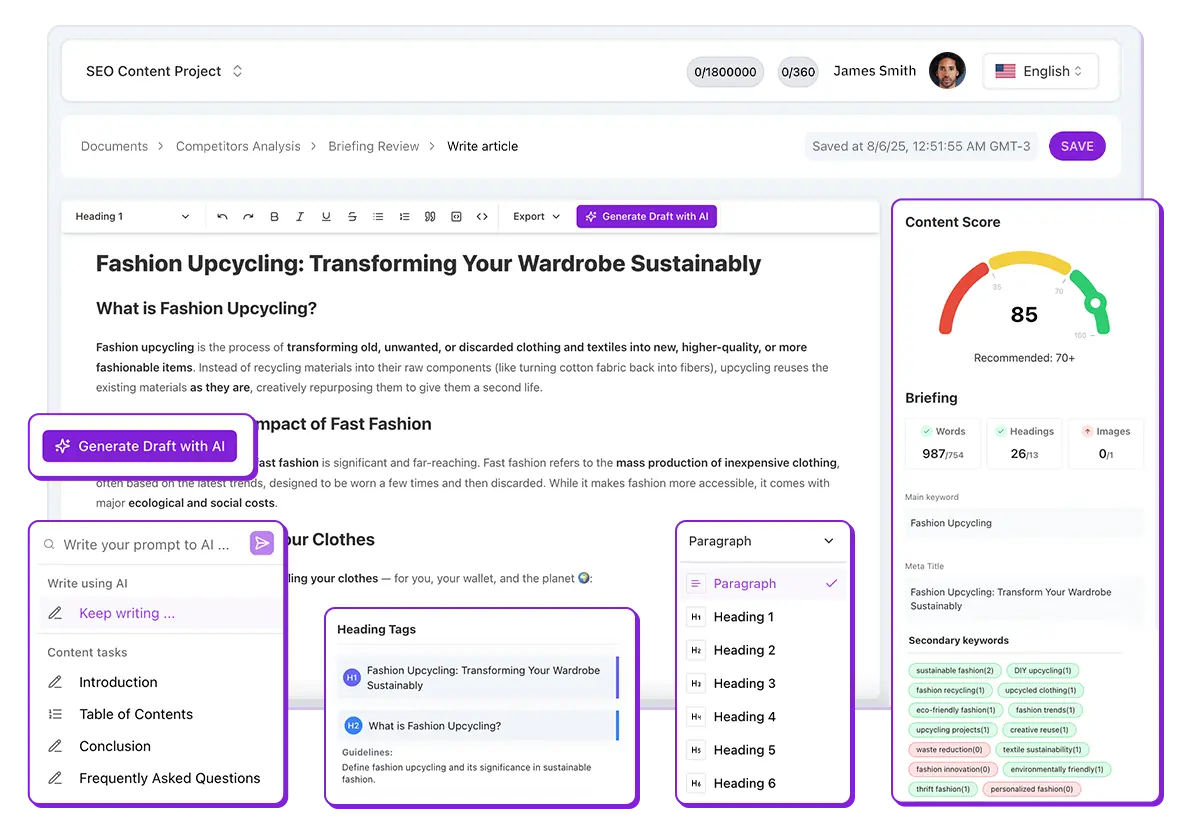
When you need to translate fast-moving social trends into high-ranking content, ChatSEO and its Prompt Library are your best allies. With over 50 specialized models, your team can instantly generate everything from complete social media calendars to high-retention Reels scripts and posts. This allows you to scale multi-channel discovery content faster than ever, ensuring your brand stays relevant across all platforms without sacrificing strategic depth.
Phase 2: building authority and trust (MoFu)
Once a user identifies their problem, they enter the evaluation phase. At this stage, they are actively comparing providers, reading reviews, and scrutinizing specifications.
The goal of the MoFu stage is to transition from pure education to authoritative persuasion. Here is how to structure your content to win the comparison battle:
- Comparison guides (e.g., “Product A vs. Product B”): create objective, side-by-side breakdowns. Highlighting pros and cons positions your brand as a transparent and honest authority.
- Strategic category pages: move beyond simple product grids. Transform these pages into Knowledge Hubs that include:
- Expert buying advice and “how-to-choose” tips.
- Advanced filtering options based on user needs (e.g., “Best for Tall Users”).
- Internal links to deep-dive reviews or case studies.
- Case studies and social proof: real-world examples of how your solution solved the exact pain points mentioned in the ToFu stage.
Also, your internal linking strategy is critical here. You must guide users from educational ToFu blog posts into these evaluation-focused pages.
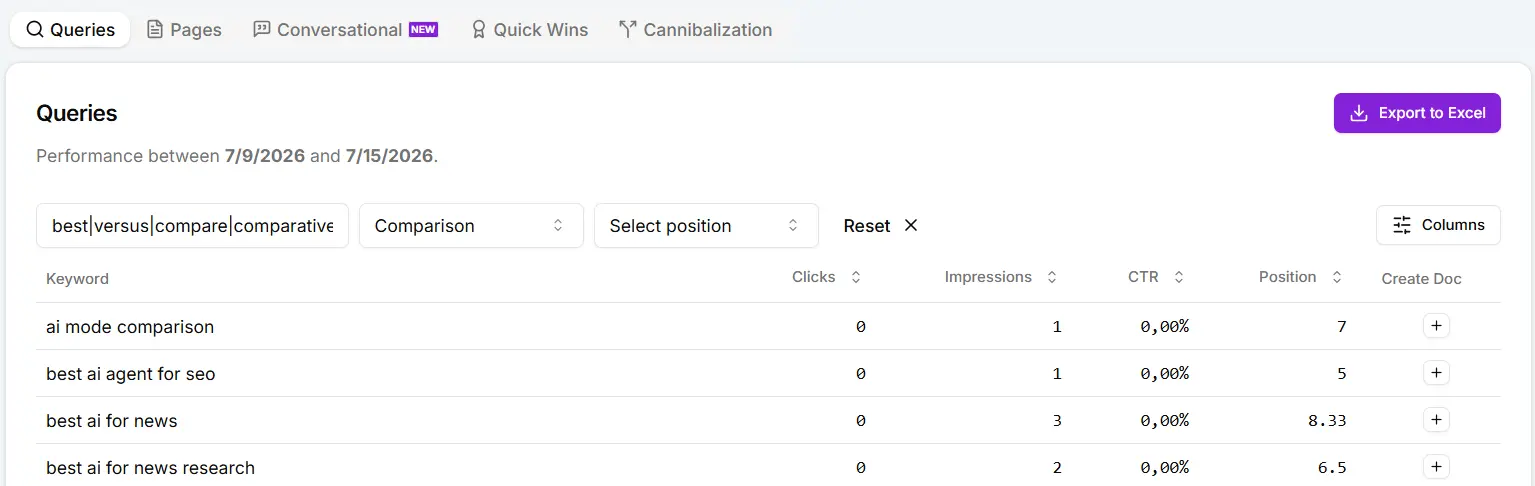
How Niara helps your SEO strategy: use our Search Analytics to see which “comparison queries” are gaining traction. If users are searching for your brand vs. a competitor, it’s time to create a dedicated landing page to own that narrative before they find the answer elsewhere.
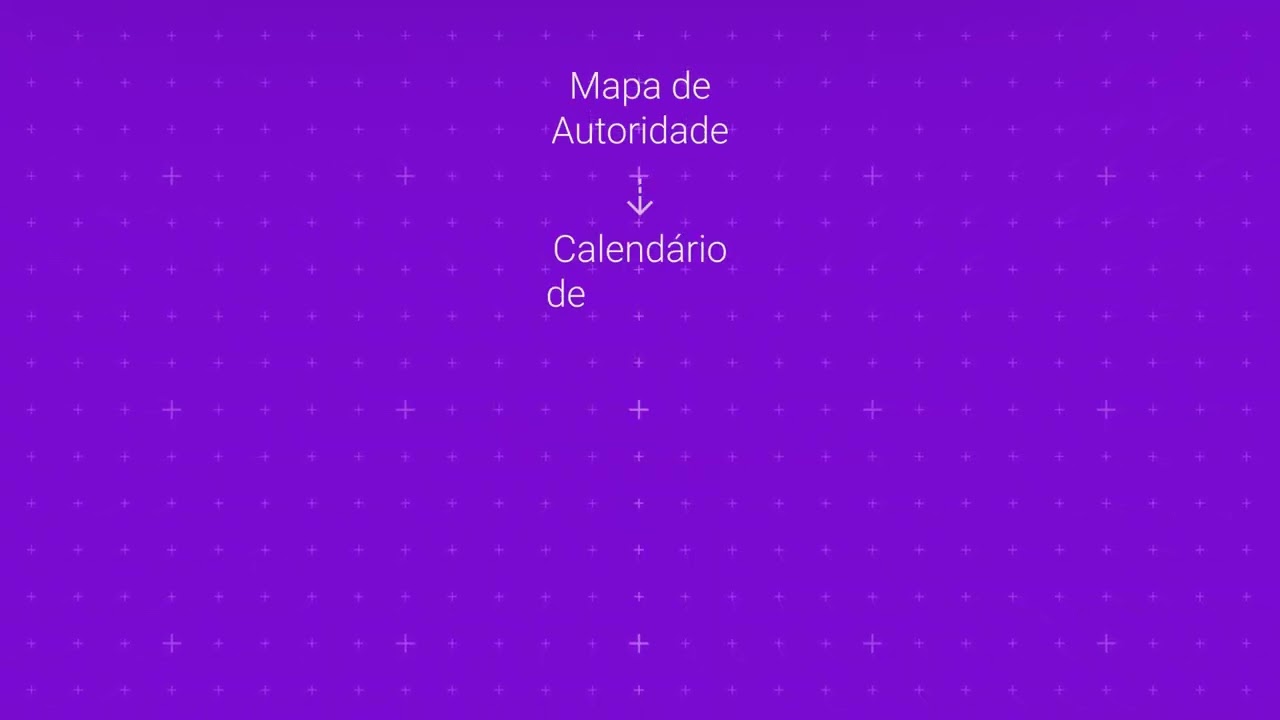
Professionals can also use Authority Map to identify which content clusters you dominate and where your semantic gaps are, generating a 3-month editorial calendar in seconds to solidify authority across every phase of the customer journey.
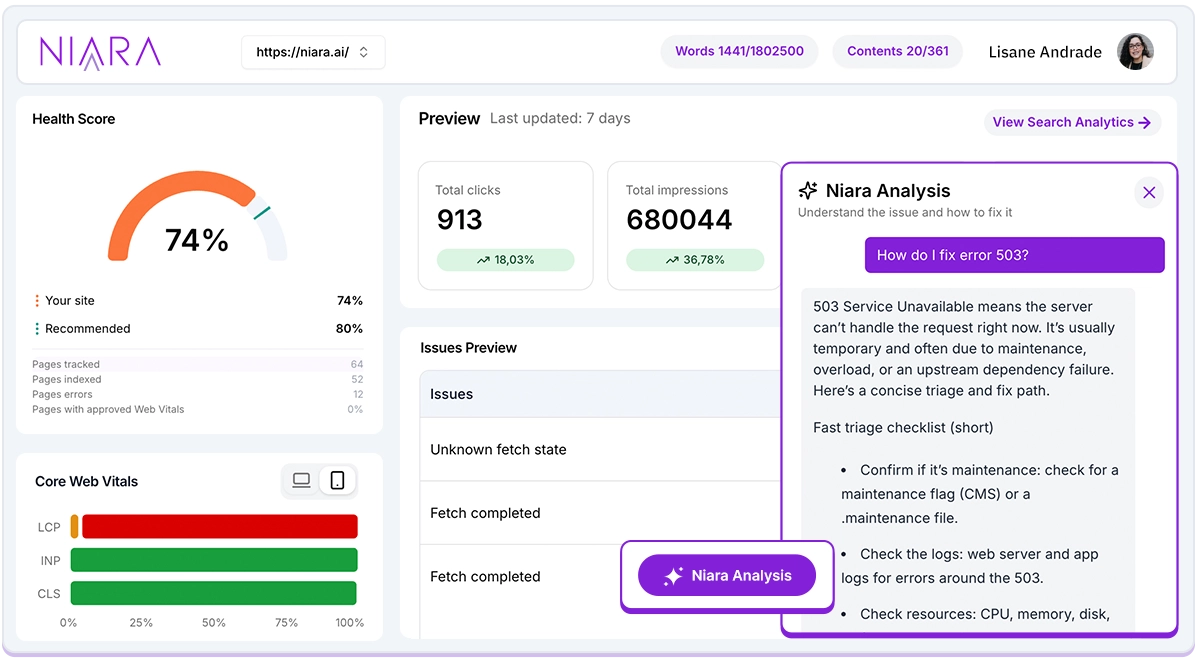
Furthermore, because these category and comparison pages must perform flawlessly, the Technical SEO Agent acts as your 24/7 consultant, integrating GSC and Page Speed Insights to deliver specific, CMS-tailored corrections, ensuring your authority pages are perfectly indexed and lightning-fast.
Read more: Scaling Content Without Losing Your Brands’ Soul (or Rankings)
Phase 3: decision moment (BoFu)
The bottom of the funnel is the critical juncture where the user is ready to pull the trigger. That’s why BoFu requires a mix of technical persuasion and overwhelming social proof.
The focus here is entirely on removing friction, mitigating risk, and closing the sale. Any ambiguity, slow loading times, ecommerce price hallucinations and unanswered questions at this stage will result in immediate cart abandonment.
- Conversion-optimized product detail pages (PDPs): your copy must be benefit-driven. Don’t just list dry technical specs, translate them into real-world value (e.g., “Breathable mesh” becomes “Stay cool and focused during 8-hour work sessions”).
- Dynamic & preemptive FAQs: address logistical hurdles before they happen. Include clear answers about shipping times, return policies, and compatibility to reassure the buyer.
- Trust signals and validation: integrate high-authority reviews, security badges, and clear warranties. This way, you validate specific purchase.
- Accurate pricing and schema integrity: ensure your displayed prices match your backend data to avoid price hallucinations. Use structured data to guarantee price consistency across search results and your cart.
How Niara helps your SEO strategy: Niara is your strategic partner in scaling the most labor-intensive parts of the BoFu stage without sacrificing quality or brand consistency:
- Bulk Content Generation: launching hundreds of products? Use Niara to create high-converting product descriptions in bulk. It maintains your unique Brand Voice, ensuring every page sounds like your brand while being optimized for conversions.
- Structured Data Generator: maximize your visibility in the SERPs. Automatically generate Schema Markup (like Product, Review, and Offer) to win rich snippets that increase your click-through rate (CTR).
- Technical SEO Agent: a slow or broken checkout page is a conversion killer. Our agent monitors your site’s health 24/7, identifying technical erros that could cause users to abandon their carts.
Read more: How to monitor and fix technical SEO errors in e-commerce at scale with Niara
Phase 4: cultivating loyalty (post-purchase)
A successful ecommerce content ecosystem does not end at the checkout page. The post-purchase phase is focused on turning one-time buyers into lifelong brand advocates. The moment after a purchase is when a customer is most receptive to brand messaging, yet it is the stage most frequently neglected by traditional linear funnels.
The goal is to reduce “buyer’s remorse” and return rates by teaching customers how to master their new purchase.
- Practical “How-to” content: create unboxing guides, setup tutorials, and maintenance tips.
- Retention-focused email sequences: maintain a direct connection via segmented newsletters. Don’t just sell: send personalized tips on how to get the most out of their specific product over time.
How Niara helps your SEO strategy: Niara eliminates the bottlenecks of the post-purchase phase by using YouTube to Article to instantly transform your video tutorials into SEO-friendly blog posts, while ChatSEO leverages your unique Brand Voice to craft personalized, high-converting email threads and newsletters that keep your audience engaged and loyal.
Phase 5: orchestrating the ecosystem
Building individual components is only half the battle. The real power lies in orchestration. To turn your content into a seamless experience, you must maintain absolute consistency.
If a user clicks a witty social media ad and lands on a robotic product page, the cognitive dissonance will destroy trust and derail the conversion. Consistency across all touchpoints is what transforms a collection of pages into a professional brand.
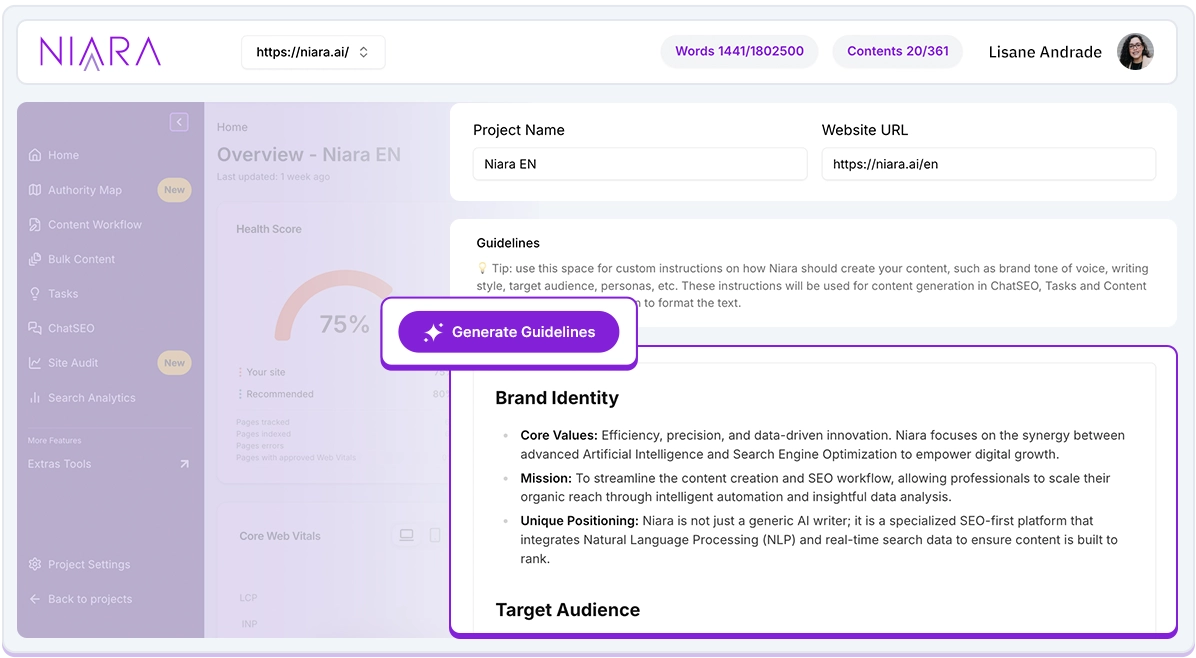
To maintain this alignment at scale, use Niara’s Brand Guidelines. By configuring your persona and tone once, Niara applies this context automatically across all tools — from ChatSEO to Content Workflow. This ensures that from the initial ad to post-purchase emails, your brand sounds like a unified entity, eliminating exhaustive prompting.
When every asset understands its specific role and links logically to the next, your ecosystem operates as a frictionless conversion engine. This is the foundation of Agentic Commerce, where AI agents proactively guide users through the shopping journey.
Long-term results
Brands that invest in educating their audience and building comprehensive content ecosystems are the ones that secure permanent brand recall.
Remender: the guiding mantra for your ecommerce content ecosystem is simple.
- The post educates.
- The category guides.
- The description convinces.
- The FAQ answers.
When you consistently provide high-utility answers and frictionless experiences across the entire non-linear customer journey, you stop competing solely on price.
You become the default authority in your vertical, remembered and trusted in times of need.
Don’t build isolated pieces. Build an ecosystem.
Start your strategy with Niara (7-day free trial).