
Start treating social media as a high-fidelity data source for LLMs. Although its primary purpose is to engage your audience, the fact that Google and other AI assistants are now using these platforms to power their answers gives you a massive advantage. It’s time to evolve your social strategy to capture this new layer of visibility.
A winning answer engine optimization social media strategy means you need to create a crawlable trail of evidence that forces AI to cite you as the definitive source.
Let’s break down the technical mechanics of turning social threads into AI answers.
Read more: The social media surge in generative search: optimizing your brand for the AI era
Why AI engines are crawling and using social media data as answers?
The days of relying solely on on-page SEO and inbound links to signal authority are fading. AI answer engine optimization (AEO) requires a broader approach, as modern algorithms now hunt for human-contextualized answers. While traditional web pages often offer polished, static information, social media provides the dynamic, conversational data that Large Language Models (LLMs) prize for generating helpful, natural responses.
Social media can be considered a primary source of truth because it captures raw, unfiltered human experience. It’s where real users compare products in real-time, debate edge cases, and offer fresh perspectives that static documentation often misses.
Whether it’s a Reddit thread troubleshooting a niche software bug or a LinkedIn expert challenging an industry standard, these interactions provide the social proof that AI engines use to validate a brand’s expertise in a web flooded with artificial and commodity content.
How social media influences AI answers?
Social media influences AI answers by providing the context and validation that LLMs need to cite a brand with confidence. AI models map relationships between concepts, brands, and topics, making entity recognition the foundation of this process. Consistent handles, bios, and messaging across platforms help Google identify your brand as a distinct, credible entity within its Knowledge Graph.
If your footprint is fragmented, AI struggles to resolve the entity, leading to lower visibility — here we can deep dive into schema markup. With the “sameAs” property set within your website’s Organization schema, you explicitly tell AI bots which social profiles belong to your brand entity.
Additionally, social media is a direct extension of the E-E-A-T framework. It provides the Experience and Authoritativeness signals that static pages often lack.
Sharing first-hand case studies on LinkedIn demonstrates Experience, while providing technical solutions on Reddit builds Authoritativeness. AI engines evaluate these interactions, weighing content depth, user reputation, and factual accuracy to determine which sources are reliable enough to feature in an AI Overview.
Furthermore, social content acts as informal structured data. Elements like hashtags, mentions, and threaded replies function as micro-schemas, helping AI understand public sentiment and brand positioning. Over time, these signals build a robust semantic profile that shapes how AI answers queries related to your industry.
Read more: Why Competitors Are in AI Overviews and You’re Not?
The mechanics of AI retrieval: social signals vs. ranking factors
For SEO professionals and content strategists, the core question is: does a post with 1,000 likes have a higher ranking probability in an AI answer than one with ten? The short answer is no. Unlike Google’s traditional algorithm, which may use social signals as indirect proxies for authority, Large Language Models (LLMs) do not have native engagement counters in their retrieval logic.
AI engines like ChatGPT or Perplexity cannot see your LinkedIn “likes” or X “retweets” in real-time to determine authority. They treat social media as unstructured textual evidence.
| Feature | Traditional SEO (Google/Bing) | AI Retrieval (RAG/LLM) |
|---|---|---|
| Primary metric | Impressions, clicks, keyword ranking | Semantic similarity (vector embeddings). |
| Social signal | Indirect: high engagement leads to traffic, which can trigger backlinks. | Direct: the text itself is used as raw evidence to synthesize an answer. |
| Authority check | Domain authority, backlinks | Consensus: Does the same information appear across multiple independent sources? |
| Ranking goal | Be the #1 URL in a list of results. | Be the most probable source to fill the model’s context window. |
AI citation percentual per social media
- YouTube: the undisputed leader, accounting for 29.5% of citations in Google AI Overviews — the #1 cited domain overall. It holds a 16.6% share in Google AI Mode and 9.7% in Perplexity, being cited 200x more than TikTok or Vimeo. Its dominance stems from rich metadata (transcripts and tags) that AI easily processes.
- LinkedIn: the most cited source for professional B2B queries and a top 5 domain globally. It serves as the primary verified data environment for businesses insights and leadership.
- Instagram: a bottom-funnel surface where 90% of its 877k citations link to culture in general.
- TikTok: emerging with 78k citations focused on trends and quick tutorials.
- Reddit: while general citations have fluctuated, Reddit remains a key source for first-person experience. AI engines use it to provide authentic reviews and peer-to-peer recommendations that official sites lack.
Which social media should my brand prioritize for AI visibility?
The short answer is: where your audience actually converses. To define which networks are best for your brand, you must move beyond “guru advice” and study where your specific niche lives.
If you are in B2B, LinkedIn is the gold standard for authority; if you are in tourism or lifestyle, Instagram’s cultural discovery is your primary bridge to the user. Now, for “How-to” queries or product reviews, YouTube and Reddit often outperform major news sites because AI prizes first-person experience, for example.
However, visibility is a consequence, not the starting point. The real value of a social presence is not appearing more in AI results, but building active brands that communicate, monitor, and understand their audience. AI engines are increasingly skilled at detecting authentic engagement versus automated noise.
What are some effective social media optimization strategies? 15 Platform-specific AEO tactics
Optimizing for AI retrieval requires adapting your content to the specific architecture and data structures of each social platform. We’ve created a manual for you:
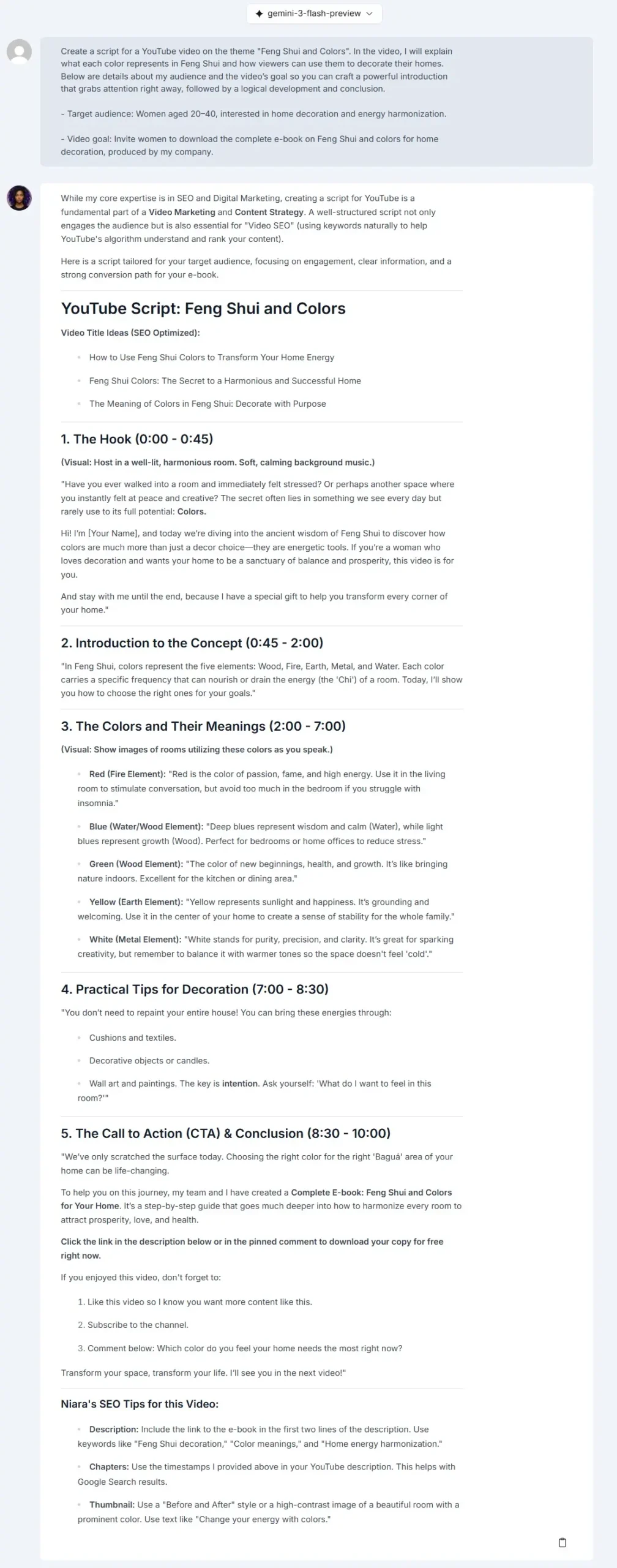
YouTube: captions, chapters, and AI-friendly formats
YouTube is the primary source for video-based AI citations. Since crawlers cannot watch video, you must translate visual information into structured text that LLMs can index and extract. To optimize your video content for AI Answer Engines, focus on these key elements:
- Accurate closed captions: always provide manually reviewed captions. Auto-generated text often misinterprets technical terms, breaking the semantic connection AI needs to understand your expertise. But if you want to auto-generate captions, don’t forget to revise.
- Keyword-rich chapters: use natural language headers for timestamps. Instead of “Introduction,” use “How to Configure Search Console for AI”. This allows AI to lift specific video segments to answer direct user queries.
- Comprehensive metadata: treat your description as a mini-article. Include time-stamped summaries, links to research, and clear definitions of discussed concepts.
- Optimized file naming: rename your raw video file and thumbnail image before uploading. Instead of “video_v1.mp4” or “thumb01.jpg,” use descriptive, keyword-based names like “social-media-ai-authority.mp4.” AI crawlers read these underlying file names to categorize content before the first frame even plays.
Feeling stuck on your content pipeline? Use the YouTube Video Ideas AI Agent to generate 10 data-driven video concepts in seconds. You can also chat with Niara to transform these ideas into full video scripts optimized for AI extraction.
LinkedIn: thought leadership posts and articles
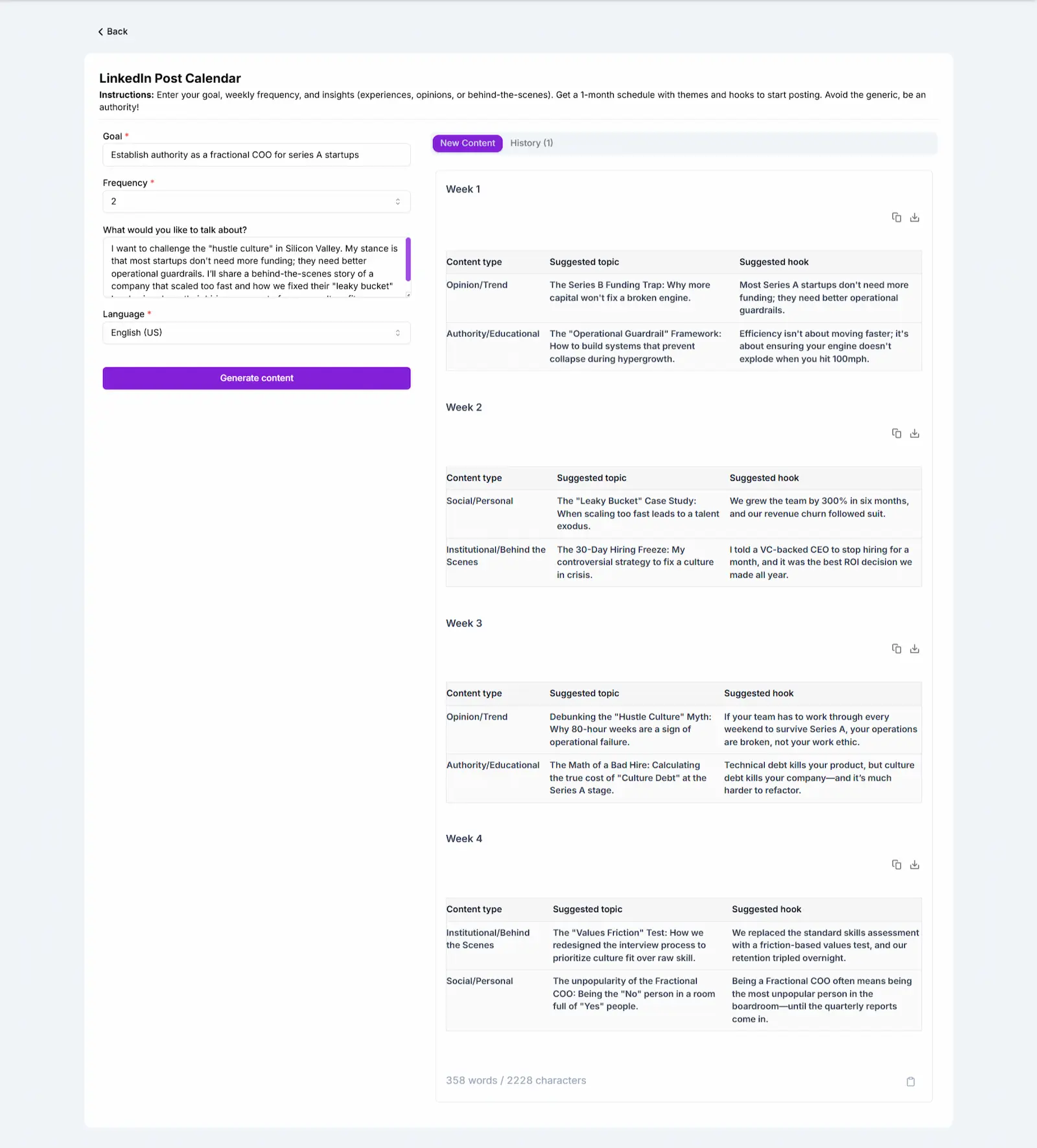
LinkedIn is the premier platform for establishing B2B authority and E-E-A-T signals. Because profiles are highly structured and verified, AI engines place significant trust in the content published there. To build AI authority, focus on dense, actionable insights rather than superficial posts.
To optimize your LinkedIn content for AI extraction, follow these guidelines:
- RAG-friendly formatting: use articles with generous internal and external citations. Link to academic papers, official documentation, and your own domain content to create a verifiable trail of information.
- Active consistency: authority on LinkedIn works like compound interest. Consistent, high-quality posting creates an exponential cumulative effect on your brand’s perceived expertise.
- Non-commoditized content: avoid AI slop or generic reposts. As platforms move against low-effort AI content, success depends on bringing original perspectives and unique methodologies. Add value by challenging assumptions and providing insights that haven’t been repeated a thousand times.
Especially on LinkedIn, Thought Leadership has gained immense traction as a positioning strategy. It focuses on turning brands or individuals into trusted authorities by addressing urgent market challenges with a unique point of view.
This approach is highly influential: 73% of B2B decision-makers use thought leadership to evaluate a brand’s capabilities, and 75% say it directly leads them to research products or services.
Maintaining active consistency is easier when you don’t have to start from scratch. Use Niara’s LinkedIn Post Calendar AI Agent to build a full month of authority-building posts (up to 5 per week) that align with your brand’s unique point of view, ensuring you stay visible to both humans and AI crawlers.
Instagram: cultural discovery and visual semantic clarity
While Instagram is a visual-first platform, it has become a powerhouse for cultural discovery and transactional intent. AI models increasingly rely on its text-based components (captions, alt text, and on-screen text) to categorize trends and local insights. To optimize for AI retrieval, you must shift focus from purely aesthetic content to semantic clarity.
To ensure your Instagram content is lifted into AI Answer Engines, follow these practices:
- Structured captions: move beyond witty one-liners. Use your captions to provide detailed, structured explanations.
- Visual accessibility (alt text): accessibility features directly impact AI indexing. Use descriptive alt text for every image, providing a clear, objective description of the content and its context.
- OCR-ready overlays: ensure any text overlaid on Reels or images is clear, high-contrast, and uses standard fonts. Modern AI crawlers use Optical Character Recognition (OCR) to read your videos, adding a vital layer of contextual data to your profile.
- Cultural and local context: since Instagram is a hub for cultural search, include specific location tags and trending industry keywords. This helps AI engines connect your brand to real-world events, local services, and current consumer behaviors.
To balance aesthetics with semantic depth, use the Instagram Posts Agent to create high-value carousels. Niara ensures your carroussel and captions aren’t just engaging, but packed with the structured information AI engines need to categorize your brand.
Reddit and niche communities: authenticity
Reddit and niche forums are goldmines for AI engines because they represent unfiltered human consensus. However, these models are now implementing intent filters, dialing back Reddit’s visibility for factual queries while prioritizing it for first-person experience and troubleshooting.
To navigate this landscape without falling into the “AI Slop” trap, focus on these strategic actions:
- Authentic Q&A Signals: provide comprehensive, highly accurate answers to user questions. Avoid self-promotion. Instead, focus on step-by-step troubleshooting.
- Niche over noise: prioritize smaller, moderated subreddits over massive default ones. These communities offer higher-quality data and genuine human interaction.
- E-E-A-T validation: incorporate the real-world friction and “Experience” observed in subreddits into your website’s content. This ensures your brand provides value that is impossible to automate or fake.
- The “unmet need” research: use Reddit as a high-fidelity social listening tool. Identify complex questions that users are asking but failing to find answers for on Google. Use these insights to create the most authoritative guide on your own domain.
How to measure social media AI visibility?
A central part of your measurement strategy should now happen within Google Search Console. Google has expanded its integration to include Instagram, TikTok, X, and YouTube, allowing you to monitor how your social profiles and posts appear directly in Google’s search results.
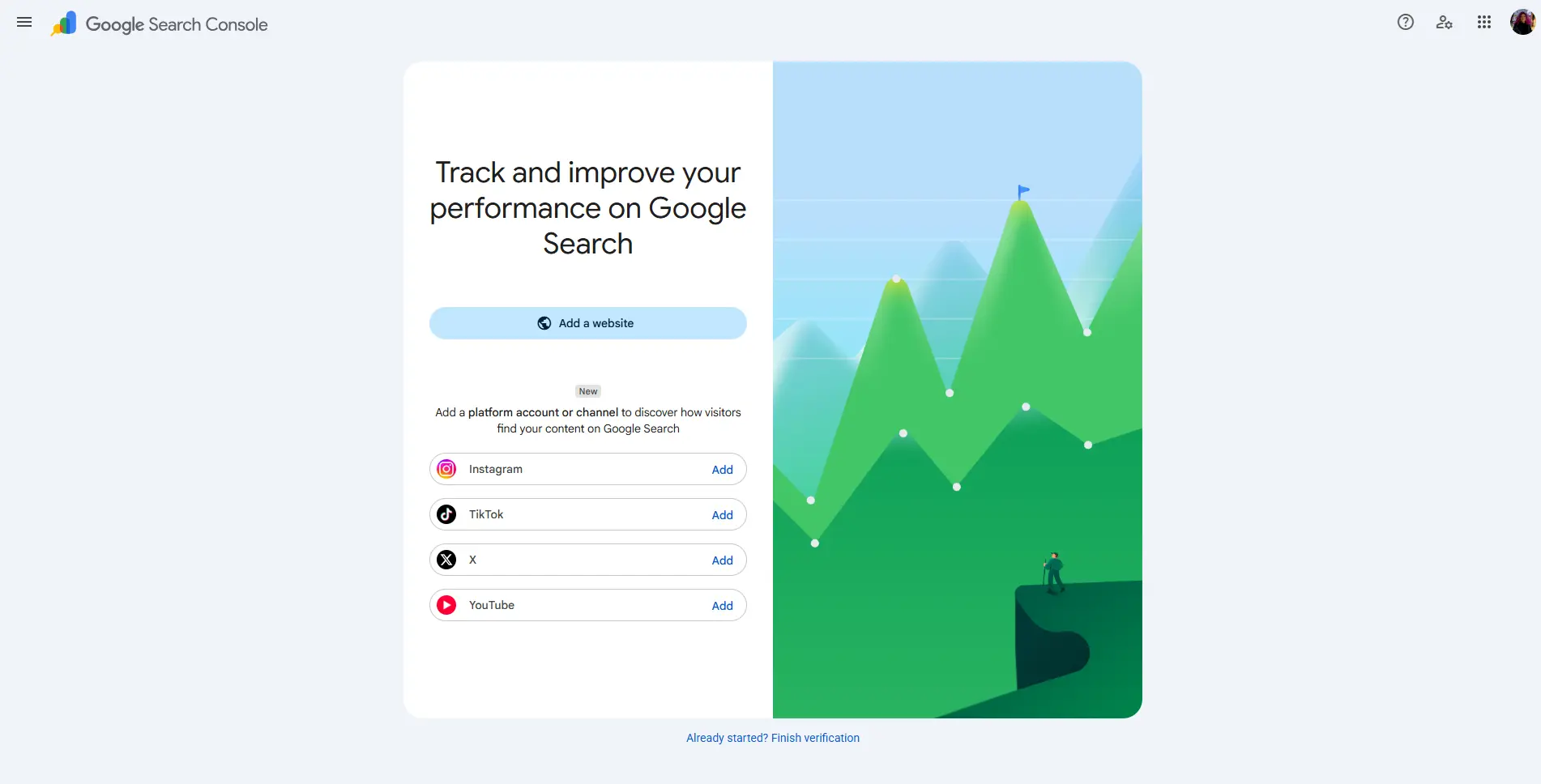
This integration is essential for verifying how your brand is being cited across both traditional organic results and AI-driven generative responses.
By tracking these URLs in GSC, you can identify which social content is gaining enough authority to be surfaced by Google as a trusted source.
Within the platform, you must focus on impressions, and also queries and top URLs.
The queries data is particularly vital, as it indicates the user’s search intent. You should prioritize monitoring transactional and commercial queries, as they signal a high intent to purchase.
By identifying these terms, you can refine your social strategy to create content that doesn’t just improve findability through AI, but actively drives the user toward conversion.
Search is omnichannel. Are you ready?
Brand authority no longer lives solely on your domain. The architecture of modern search relies on massive, decentralized data ingestion, meaning every public interaction, video, and forum post contributes to your overall entity strength.
To win in the age of AI, your brand must be present, consistent, and helpful across the entire social ecosystem.
Niara is your most powerful ally. With AI Agents specifically trained for social media and marketing, we simplify the heavy lifting of content creation and optimization.
While Niara handles the operational complexity of generating semantically rich, platform-specific content, you stay focused on the high-level strategy that moves the needle.
Stop wasting time on manual execution. Try Niara for free for 7 days and start building your AI authority today.
